Introduction
Digital marketing has transformed the way businesses connect with customers. In today’s highly competitive online environment, companies need powerful advertising tools to reach their target audience effectively. One of the most influential advertising ecosystems in the world is Meta advertising.
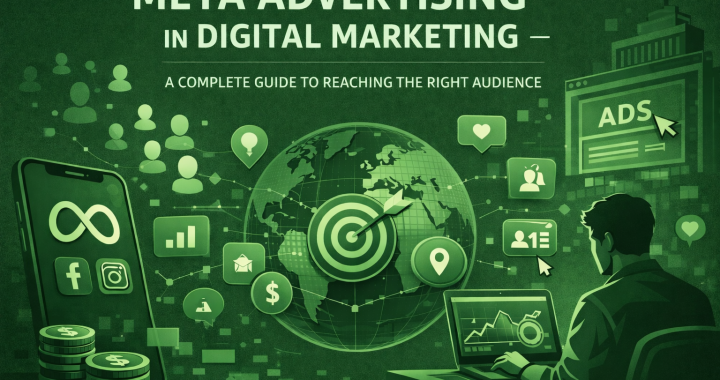
Meta advertising refers to the paid advertising system used across Meta’s platforms, primarily Facebook and Instagram. These platforms have billions of users globally, making them extremely powerful channels for businesses to promote their products and services. Meta Ads allow marketers to target specific audiences, track performance, and optimize campaigns to achieve better results.
For businesses of all sizes—from small startups to large corporations—Meta advertising offers a scalable and cost-effective way to reach potential customers. Whether the goal is brand awareness, website traffic, lead generation, or sales conversions, Meta Ads provide tools that help marketers achieve these objectives.
In this comprehensive guide, we will explore what Meta Ads are, how they work, the different types of ads available, their benefits, strategies for success, common challenges, and the future of Meta advertising in digital marketing.
Understanding Meta Ads
Meta Ads are paid advertisements that appear across Meta-owned platforms such as Facebook, Instagram, Messenger, and the Audience Network. These ads are created and managed through Meta Ads Manager, a platform that allows businesses to design campaigns, define their target audience, set budgets, and monitor results.
Meta advertising is known for its advanced targeting capabilities. Businesses can reach users based on demographics, interests, behavior, location, and many other factors. This level of targeting ensures that ads are shown to the most relevant audience, improving the chances of engagement and conversion.
Unlike traditional advertising methods, Meta Ads allow businesses to analyze campaign performance in real time. Marketers can track metrics such as impressions, clicks, engagement rates, and conversions to understand how well their campaigns are performing.